
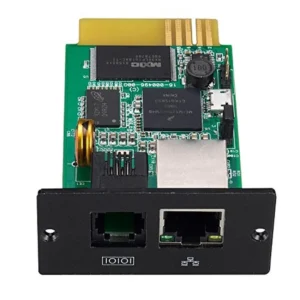
EVI SNMP Card for Online 10–40kVA 3 Phase UPS
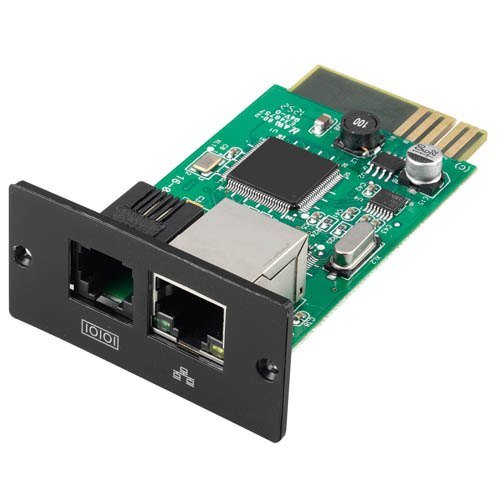
A 40kVA UPS protecting an entire data hall or industrial facility deserves more than a walk-by glance at its front panel display to confirm everything is running normally. Facilities operating at this scale need genuine, always-on visibility — the kind that alerts a network operations center the instant a battery starts degrading or a phase begins drawing outside normal parameters, not the kind that depends on someone physically checking a touchscreen on a rotating schedule. The EVI SNMP Card for Online 10–40kVA 3 Phase UPS (EP-UPSY3ACASN) delivers exactly that, turning EVI’s flagship three-phase tower UPS units into fully networked, remotely monitored infrastructure.
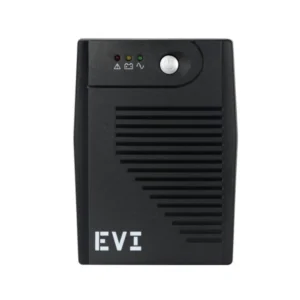
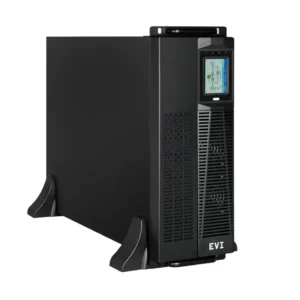
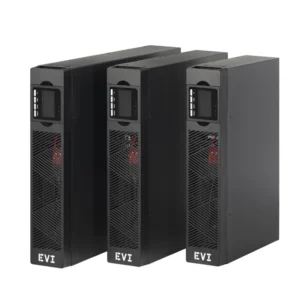
Compatible with EVI’s EP-UPS10000Y33OT, EP-UPS20000Y33OT, and EP-UPS40Y33OT three-phase tower models, this card is the bridge between a genuinely capable UPS and a genuinely modern, IP-connected facility monitoring strategy.
Real Network Monitoring for Three-Phase Critical Infrastructure
Installing directly into the dedicated SNMP expansion slot of compatible EVI three-phase UPS systems, the EP-UPSY3ACASN supports SNMP v1, v2c, and secure SNMP v3 with authentication and encryption, giving network administrators the flexibility to match their existing monitoring infrastructure’s security requirements. Monitoring capabilities cover the full range of parameters that matter for three-phase critical power infrastructure: input and output voltage and current across all three phases, load levels, battery health, runtime estimates, and system alarms.
For facilities running 10kVA, 20kVA, or 40kVA-class UPS units protecting genuinely large-scale operations, this level of granular, per-phase visibility is not a convenience — it’s the difference between catching a developing fault early and discovering it only when it has already caused an outage.
Hot-Plug Installation Without Downtime
The card installs directly into the UPS’s expansion slot and supports hot-plugging, meaning it can be added to an already-operational UPS system without requiring a shutdown. For facilities where the three-phase UPS in question is actively protecting live infrastructure, this eliminates the need to schedule a maintenance window purely to add network monitoring capability.
Web-Based Interface and Enterprise Integration
An intuitive HTTP and HTTPS web interface provides real-time visibility of UPS status, load distribution, battery condition, alarms, and system events from any standard web browser, without requiring specialized monitoring software installed on every workstation that needs visibility. SNMP trap functionality and email notifications ensure the right people are alerted automatically the moment a power event or system status change occurs, rather than relying on someone noticing a problem during a routine check.
The card supports both DHCP and static IP assignment for straightforward deployment across varied network architectures, and integrates with enterprise network management platforms, giving facilities that already run centralized monitoring infrastructure a direct path to folding three-phase UPS status into their existing dashboards rather than maintaining a separate, disconnected monitoring workflow.
Automated Shutdown Protects Data Integrity at Scale
Remote shutdown support enables automated, graceful shutdown of connected systems during extended power outages, protecting data integrity and equipment across potentially dozens of connected servers and systems drawing power through a single three-phase UPS. At this capacity tier, an uncontrolled shutdown doesn’t affect one system — it can affect an entire facility’s worth of connected infrastructure simultaneously, making automated, orderly shutdown sequencing a genuinely significant protective feature rather than a minor convenience.
Historical Logging and Power Quality Analysis
Web-based firmware upgrades and access to historical event logs support ongoing diagnostics, reporting, and power quality analysis over the UPS’s operating life. For facilities managing maintenance schedules and compliance reporting around critical power infrastructure, this historical data provides the documented evidence base that ad-hoc, undocumented monitoring simply cannot match.
Optional Environmental Monitoring Integration
The card is compatible with optional environmental monitoring devices for temperature and humidity tracking within critical equipment rooms, extending the monitoring scope beyond the UPS itself to the broader environmental conditions that also affect equipment reliability and battery health at this scale.
The Cost Case for Network-Connected Monitoring at Enterprise Scale
For a facility running a 20kVA or 40kVA three-phase UPS protecting a genuinely significant portion of its operations, the cost of the SNMP card represents a small fraction of the UPS investment itself, yet closes a genuine visibility gap. Discovering a battery fault or phase imbalance only during a scheduled physical inspection — rather than the moment it develops — risks exactly the kind of undetected degradation that leads to a serious outage when the UPS is finally called upon during a real grid failure.
Perfect For
- Data centers and server halls running EVI’s 10kVA, 20kVA, or 40kVA three-phase UPS units
- Network operations centers requiring centralized, IP-based monitoring across facility infrastructure
- Facilities integrating UPS status into existing enterprise network management platforms
- Industrial operations requiring documented power quality history for maintenance and compliance
- Telecom and colocation facilities needing remote visibility across distributed three-phase UPS deployments
- Organizations requiring automated, graceful shutdown sequencing for connected critical systems
- IT teams managing multiple facility sites who need consistent, centralized UPS monitoring
- Facilities planning phased addition of network monitoring to already-deployed three-phase UPS units
- Engineering and EPC contractors specifying complete, network-monitored UPS deployment packages
- Any facility running three-phase critical infrastructure without dedicated on-site monitoring staff

Reviews
There are no reviews yet.